North Americans have been flocking to Costa Rica for more than 30 years, attracted by the tropical climate; low cost of living; top-notch, affordable medical care; bargain real estate; and natural beauty.
I love Costa Rica. You can kick your shoes off on white-sand beaches, hike through lush lowland jungle or mountain cloud forests, and bask in volcanic thermal springs. Rent a furnished two-bedroom home for just $500 a month, buy an ocean-view property for under $200,000, spend $25 in the feria (farmers鈥� market), and come home with a week鈥檚 groceries for a couple鈥�.
No wonder Costa Rica always seems to be on the shortlist. Readers at IL conferences tell me so, and expats I meet as I scout throughout Latin America often tell me, 鈥淲e seriously considered Costa Rica.鈥�
In an increasingly uncertain world, Costa Rica is a beacon of dependability. It鈥檚 not up-and-coming or edgy or the hot new thing. It has been quietly growing into a model country鈥攁 standout in the region. It has a steadily growing economy; dozens of multinationals like Amazon and Microsoft have major operations there. The low crime rate means you can feel safe just about anywhere in the country, day or night. There is a focus on preserving the environment, with 25% of the country鈥檚 territory protected. And there is commitment from the government to power the country on solely renewable sources, especially hydroelectric, wind, and geothermal.
Tens of thousands of U.S. and Canadian expats already live in Costa Rica full- or part-time. And millions have traveled there over the years for beach-resort vacations, surfing, fishing, rain forest treks, and more. There鈥檚 a comfort level knowing you don鈥檛 have to be a pioneer. Plus, with many Costa Ricans speaking English, it鈥檚 pretty easy to navigate as you learn more Spanish.
That鈥檚 not to say Costa Rica is too Americanized. It very much has its own rich culture and distinct way of life. This is expressed in a tradition of hospitality, which makes it very welcoming to expats, as well as a carefree attitude鈥攁nd unofficial national motto鈥攌nown as Pura Vida, which roughly translates to 鈥渓ife is good.鈥� It鈥檚 an attitude that quickly rubs off on expats. Ticos, as Costa Ricans call themselves, have a live-and-let- live attitude. They value time with family and friends above all else. A strong sense of community exists and with it an emphasis on personal freedom, which appeals to many expats who feel hemmed in by the countless rules and regulations back home.
You may not know that Costa Rica has no army. It was abolished in 1949, after a brief but bloody civil war traumatized the nation. Since then, it鈥檚 had a stable government, a democracy with peaceful elections. The money that would go to the military is used to fund education for all (the literacy rate is 96%) and a solid national healthcare system, which is open to expat residents at a very low cost鈥攁veraging about $95 a month per couple. That鈥檚 a welcome respite from the spiraling costs in the U.S.
Good modern healthcare coverage, plus traditional and herbal medicine, natural foods, including abundant fresh fruits and vegetables鈥攜ou can grow your own, thanks to the fertile soil鈥攁nd a more active lifestyle (it never gets cold, so you can exercise outdoors year-round) combine to help many expats feel healthier than they have in years. Some have even found relief from chronic conditions. A friend of mine lost 40 pounds simply by deciding not to have a car (which is doable in many communities) and walking in the hills around his Central Valley home. As they built their stamina, he and his wife were inspired to hike the Appalachian Trail, which they recently completed.
You鈥檒l find that most people are relaxed and low-stress, too. The need for status symbols and the anxiety that comes with the 24/7 news cycle disappears. In Costa Rica, you鈥檒l come to enjoy a healthier body and mind.
With all these benefits, it鈥檚 not surprising that Costa Rica has topped the Happy Planet Index three times.
For such a small country, Costa Rica also packs a punch when it comes to variety of climates and landscape and the lifestyle that goes with it. You鈥檒l find expats living in the eternal spring climate of the mountainous Central Valley. This is rural and small-town Costa Rica, where expats live in towns like Grecia and Atenas amid coffee plantations and forested hillsides. From their terraces they enjoy coffee from local beans and views of the surrounding countryside.
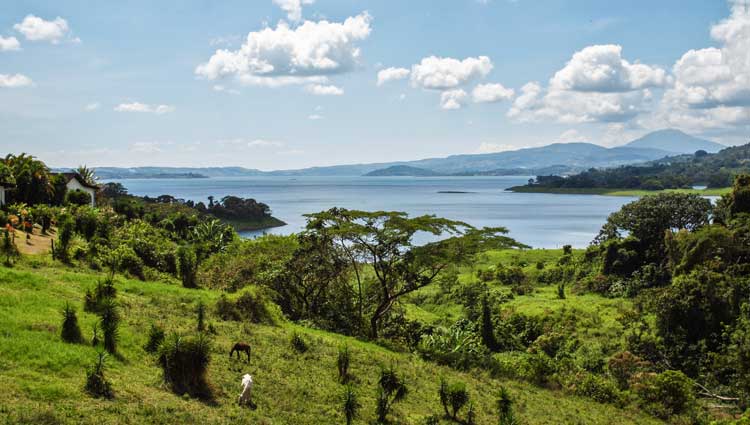
Some prefer life at the beach. There are funky beach towns like Tamarindo and Playas del Coco, resorts, and luxury communities on the northern Pacific. Head far south on the Pacific coast, and you discover rain forest-covered mountains, small coastal villages like Ojochal and Dominical, and the wild seaside of the Southern Zone. In the central Pacific you have fun beach communities like Jac贸, plus the conveniences of the country鈥檚 capital, San Jos茅, an hour and a half down the road. The bohemian and undeveloped Caribbean, including towns like Cahuita and Puerto Viejo de Talamanca, may be the most Pura Vida of all places in Costa Rica. You also have Lake Arenal, a highlands region known for a mild climate and rural charms; life on the lake is quiet and peaceful, with a close-knit expat community.
Expats live well in all these areas, whether they rent or buy. Try two- and three-bedroom homes in good locations with views, starting at $800 per month. One- or two-bedroom condos or apartments鈥攅ven within a walk to the beach鈥攁re $500 and up. Many rentals come fully furnished鈥攃ompletely turnkey. And when you鈥檙e ready to buy, you鈥檒l find bargains too, like one-bedroom beach condos for under $50,000. Mountain-view homes in the Central Valley list for under $100,000. It鈥檚 very much a buyer鈥檚 market in Costa Rica, so prices are negotiable. It also helps that property taxes are just 0.25% of assessed value, a fraction of what鈥檚 typical in the U.S.
It鈥檚 true that Costa Rica isn鈥檛 the cheapest country on our Index. But it offers excellent bang for your buck. It鈥檚 possible for a retired couple to live very comfortably on $2,500 a month in Costa Rica. On this budget, they might eschew the 鈥渇ancy鈥� grocery store with imported goods in favor of the feria, where they can fill the fridge for the week for $30. Instead of hitting up the tourist restaurants that charge a premium, they might go to local sodas, restaurants serving up hearty Tico fare. But combine those cost-saving measures with the modest expenditures required on healthcare, rental homes, and utilities (no heating costs, and no cooling costs at least in Arenal and the Central Valley) and you can see how a good life can come at a modest price.
It鈥檚 also true Costa Rica doesn鈥檛 have an official retirement incentive program; it got rid of it in the 1990s. But Costa Rica does make it easy to qualify for residence. The pensionado program requires only $1,000 a month in income from Social Security, a pension, or a similar source per couple. The major benefit: You join Caja, the national healthcare system, and get all your medical needs covered for free after your monthly payment. Plus, those over 65 can get discounts of 10% to 20% on groceries and other frequent expenses through the Gold Citizen program.
The land of Pura Vida isn鈥檛 for everyone. In my time there, I had my share of struggles with bureaucracy and the flip side of Pura Vida鈥攁 relaxed attitude toward getting things done. But as a safe haven of civility in these complicated times, Costa Rica is that fascinating, solid, and dependable guy at the party who doesn鈥檛 feel the need to shout.
Annual Global Retirement Index 2018 Standings


 |
|


